Describe the concern and its history
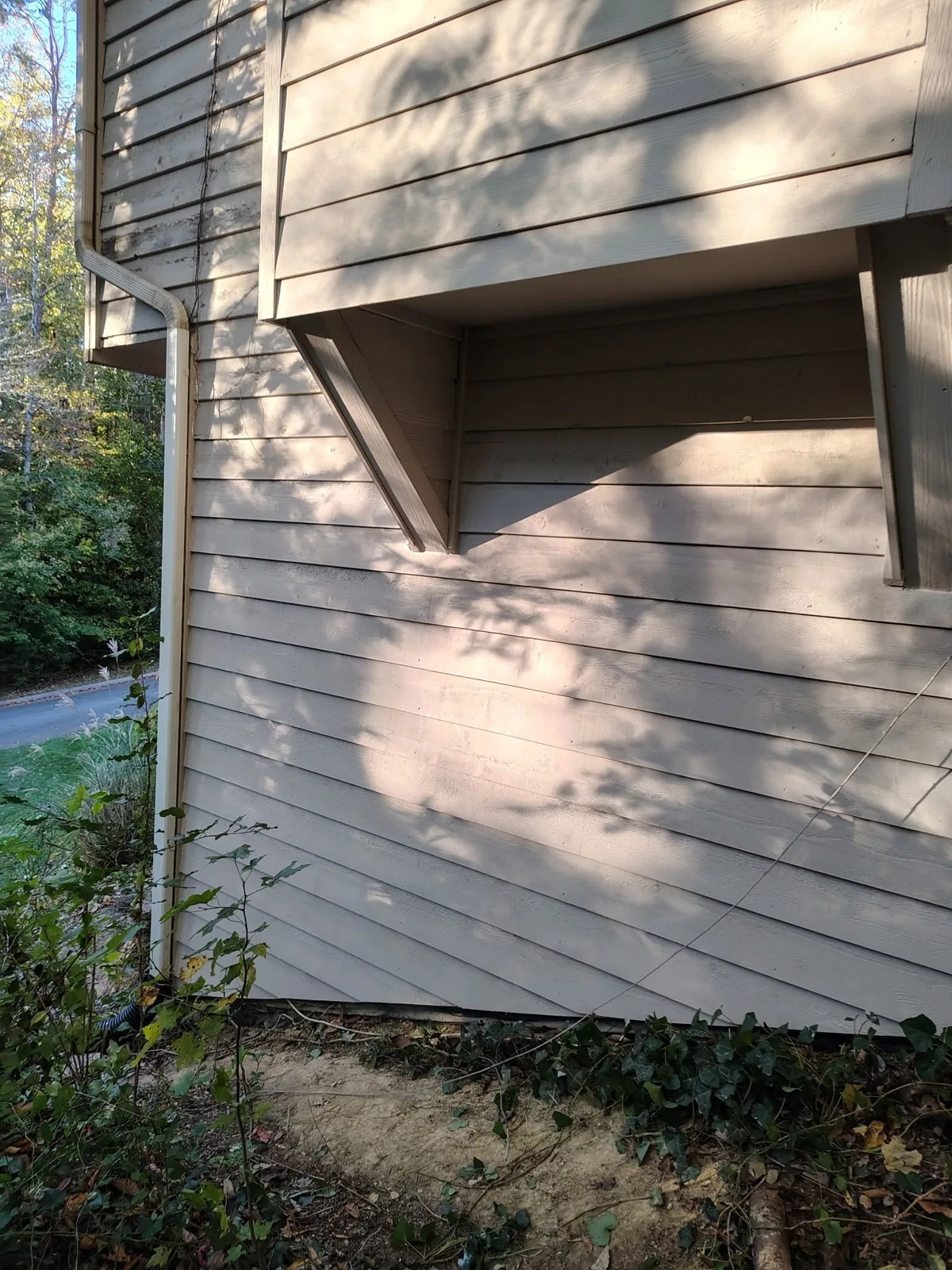
A clear repair conversation begins with the affected area and what you have noticed. Share its location, when the concern became visible, and any previous work or relevant history. Photographs can help introduce the problem, although they do not reveal every condition behind a surface.
We use that information to discuss the initial scope and identify areas that may need further review before the work is defined.
Consider the surrounding construction
Visible damage can involve more than the surface finish. Siding, trim, framing, insulation, or ventilation may need to be considered together. When approved work opens an area, additional conditions can become visible and may affect the repair plan.
Our exterior wood rot repair project included affected wood, replacement siding, a coordinated exterior finish, repairs around a rear door, and exhaust venting to the outside. The photographs show work in progress and the completed exterior.
Plan the order of the work
Supporting repairs come before the final surface is restored. That may include removing affected components, reviewing exposed conditions, completing the approved repair work, and then coordinating siding, drywall, trim, or other finishes.
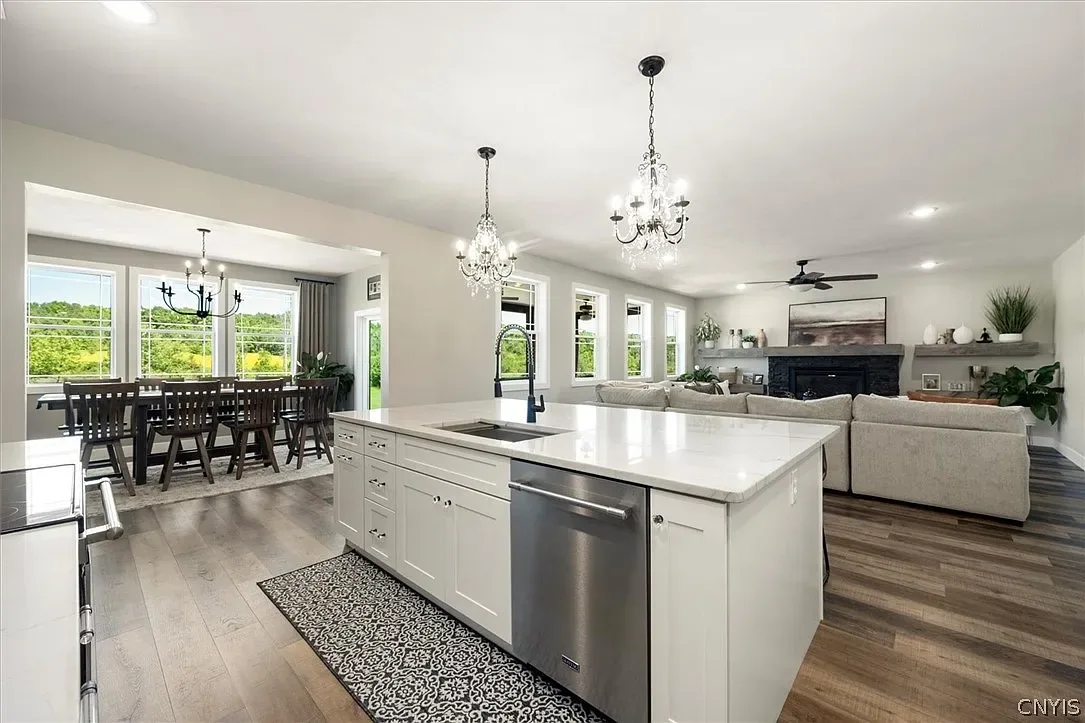
Where a project follows water damage, necessary mitigation and the subsequent reconstruction need to be distinguished. Our kitchen renovation after water damage began after a separate crew completed mitigation.
Share enough detail for a useful next step
Provide your project location and a description of the work you are considering. Tell us which surfaces or components are involved and whether related work is planned in the same area.
Explore home repairs in Knoxville and our project approach, or contact our team to discuss your home.